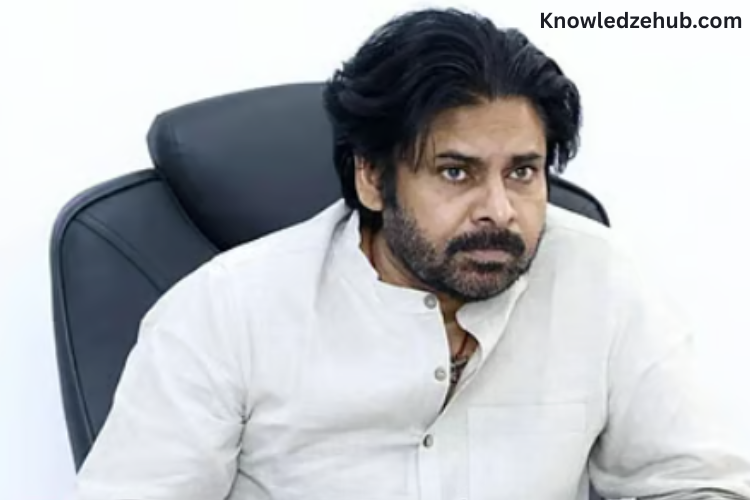

Pawan Kalyan is not just a film star or a political leader—he is a cultural phenomenon in Telugu states. Over the years, his influence has expanded beyond cinema halls into public discourse, social movements, and governance debates. Loved fiercely by his supporters and closely watched by critics, Pawan Kalyan represents a rare blend of mass appeal and ideological conviction.
What makes Pawan Kalyan stand out is not merely his success, but the unconventional path he chose. At the peak of his film career, when stardom alone could have guaranteed lifelong comfort, he stepped into politics—fully aware of the risks involved. His journey reflects a continuous search for purpose rather than comfort.
Quick Facts About Pawan Kalyan
Before diving deeper into his filmography and public life, here’s a concise snapshot of key details about Pawan Kalyan.
| Attribute | Details |
|---|---|
| Full Name | Konidela Kalyan Babu |
| Popular Name | Pawan Kalyan |
| Date of Birth | September 2, 1971 |
| Birthplace | Bapatla, Andhra Pradesh, India |
| Profession | Actor, Politician, Public Figure |
| Political Party | Jana Sena Party |
| Debut Film | Akkada Ammayi Ikkada Abbayi (1996) |
| Breakthrough Film | Tholi Prema (1998) |
| Known For | Unique acting style, mass appeal, political activism |
| Languages Worked In | Telugu, Hindi (select films) |
| Hobbies & Interests | Martial arts, reading philosophy, writing |
| Public Image | Known for simplicity and ideological consistency |
Early Life and Background
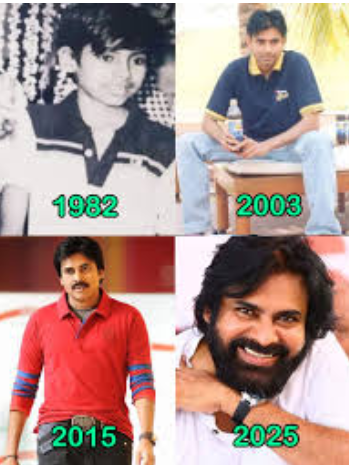
Born as Konidela Kalyan Babu on September 2, 1971, in Bapatla, Andhra Pradesh, Pawan Kalyan grew up in a family that already had deep roots in cinema. Being the younger brother of megastar Chiranjeevi, expectations followed him from an early age. However, his personality was markedly different—more reserved, introspective, and rebellious in his own way.
His early years were shaped by frequent relocations due to his father’s profession, which exposed him to different cultures and social environments. This constant movement played a role in shaping his worldview, making him more adaptable and observant than most.
Key points about his early life:
- Born into the famous Konidela family
- Younger brother of Chiranjeevi and Nagendra Babu
- Experienced a modest upbringing despite film connections
- Developed interest in martial arts and philosophy early on
Entry into Telugu Cinema
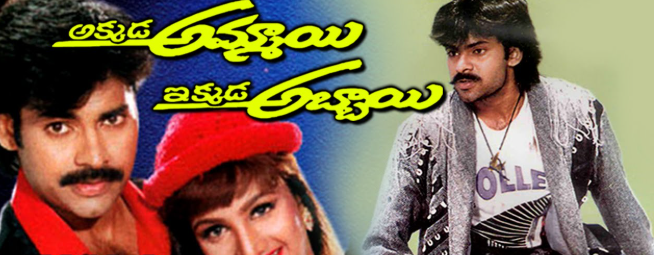
Pawan Kalyan made his acting debut in 1996 with Akkada Ammayi Ikkada Abbayi. While the film itself received mixed responses, audiences noticed his natural screen presence and unique style. Unlike typical debut heroes of that era, he didn’t rely on exaggerated expressions or dramatic dialogues.
His breakthrough came with Tholi Prema (1998), a film that redefined romantic storytelling in Telugu cinema. The movie struck a chord with young audiences and earned him a National Film Award (as part of the film’s recognition). From that point onward, Pawan Kalyan became a symbol of youth-centric cinema.
Notable aspects of his early film career:
- Chose relatable, grounded characters
- Avoided over-the-top heroism initially
- Quickly built a strong youth fan base
- Known for understated acting and realism
Rise as a Mass Icon
As his career progressed, Pawan Kalyan gradually transitioned from romantic roles to mass entertainers. Films like Kushi, Jalsa, Gabbar Singh, and Attarintiki Daredi turned him into a household name across Andhra Pradesh and Telangana.
What truly elevated him to mass-icon status was not just box office success, but the emotional bond he built with fans. His dialogues, body language, and even personal lifestyle choices resonated with people who saw him as “one among them,” rather than an unreachable celebrity.
Reasons behind his mass appeal:
- Simple dressing style and grounded public image
- Dialogues reflecting common man’s frustrations
- Strong fan associations and grassroots support
- Ability to balance commercial cinema with personal values
Pawan Kalyan Family Background and Personal Life
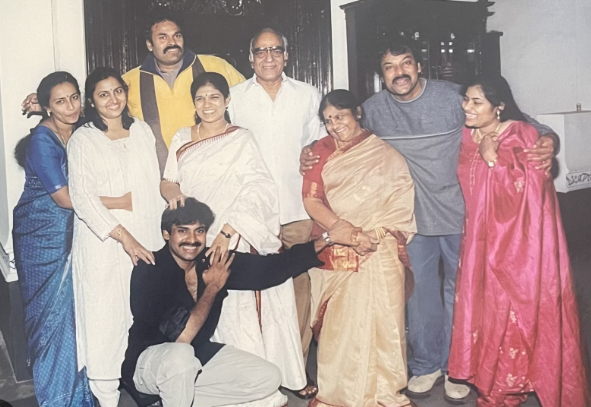
Pawan Kalyan comes from one of the most influential families in Telugu cinema, yet his personal relationship with fame and family has always been understated. While the Konidela family is widely known for its cinematic legacy, Pawan Kalyan has often maintained a certain distance from public celebration, choosing privacy over publicity when it comes to personal matters.
Despite being born into stardom, his family upbringing was relatively grounded. His parents emphasized discipline, humility, and self-respect—values that later became evident in both his films and political ideology. Even today, Pawan Kalyan rarely speaks about his family unless absolutely necessary, which has earned him respect for maintaining clear boundaries between public life and private relationships.
Parents
Pawan Kalyan was born to Konidela Venkata Rao and Anjana Devi. His father worked as a police constable, which meant the family lived a modest life despite future cinematic success. This background played a major role in shaping Pawan Kalyan’s understanding of discipline, authority, and social structure.
His mother, Anjana Devi, is known within close circles for her simplicity and quiet strength. Pawan Kalyan has occasionally credited his mother for instilling emotional resilience and inner calm, qualities that reflect strongly in his personality.
Key details about his parents:
- Father: Konidela Venkata Rao (Police constable)
- Mother: Anjana Devi
- Family lived a disciplined, middle-class lifestyle
- Strong influence on his values and worldview
Brothers and Extended Family
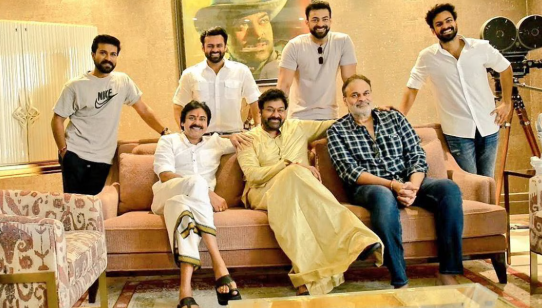
Pawan Kalyan is the younger brother of Chiranjeevi and Nagendra Babu, both of whom are prominent figures in Telugu cinema. While comparisons were inevitable in his early career, Pawan Kalyan consciously carved his own identity, both in films and later in politics.
Though different in temperament and career choices, the bond among the brothers has remained strong. They have supported each other during critical moments, even when professional paths diverged. The extended Konidela family also includes several successful actors and producers, making it one of the most influential families in South Indian cinema.
Notable family members:
- Elder brother: Chiranjeevi (Actor & politician)
- Elder brother: Nagendra Babu (Actor & producer)
- Nephews: Ram Charan, Allu Arjun, Varun Tej, Sai Dharam Tej
- Family known for long-standing contribution to Telugu cinema
Unique Acting Style and Screen Presence
Pawan Kalyan’s acting style is often described as effortless. He doesn’t “perform” in the conventional sense; instead, he appears to live the character. His pauses, silences, and subtle expressions communicate more than long monologues.
This minimalistic approach made him different from his contemporaries. Even in high-energy action films, he brings an internal calmness that adds depth to otherwise commercial narratives.
Key traits of his acting style:
- Natural dialogue delivery
- Controlled expressions and body language
- Emotional restraint instead of melodrama
- Strong connection with audience psychology
Ideological Influences and Personal Beliefs
Beyond cinema, Pawan Kalyan is deeply influenced by revolutionary thinkers, poets, and political philosophers. He has often spoken about leaders like Che Guevara and Indian freedom fighters, drawing inspiration from their courage and commitment.
His interest in social justice, individual freedom, and systemic reform is not newly acquired—it has been visible in his speeches, writings, and interviews for decades. These beliefs eventually became the foundation for his political journey.
Core beliefs that define him:
- Emphasis on social equality and justice
- Strong opposition to corruption
- Belief in accountability and transparency
- Respect for constitutional values
Formation of Jana Sena Party
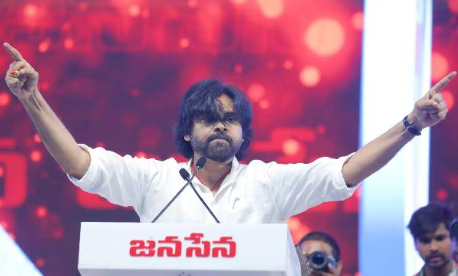
In 2014, Pawan Kalyan officially launched the Jana Sena Party (JSP), marking a turning point in his life. Unlike celebrity-driven political entries, his move was driven by ideology rather than immediate electoral success.
The early years of Jana Sena were challenging. Limited resources, organizational struggles, and electoral setbacks tested his resolve. Yet, he remained committed, choosing long-term credibility over short-term gains.
Highlights of Jana Sena’s foundation:
- Established in 2014
- Focused on people-centric governance
- Emphasized youth and grassroots participation
- Positioned as an alternative to traditional politics
Political Struggles and Public Perception
Pawan Kalyan’s political journey has not been smooth. He faced criticism for electoral losses, shifting alliances, and idealistic expectations. However, unlike many politicians, he openly acknowledged mistakes and continued to engage directly with the public.
Over time, public perception evolved. Even critics began to recognize his sincerity, especially his willingness to stand with marginalized communities during crises and protests.
Challenges he faced in politics:
- Initial lack of electoral success
- Media skepticism
- High expectations from supporters
- Organizational constraints
Social Impact and Philanthropic Efforts
Away from the spotlight, Pawan Kalyan has quietly supported various social causes. From aiding farmers and flood victims to standing with victims of injustice, his involvement often goes unnoticed by mainstream media.
Rather than institutionalized charity, he prefers direct action and personal engagement, which strengthens trust among his supporters.
Areas of social involvement:
- Disaster relief initiatives
- Farmer welfare support
- Advocacy for unemployed youth
- Standing up for social justice issues
Relationship with Fans and Followers
Pawan Kalyan’s fan base is known for its loyalty and emotional intensity. For many, he represents hope, honesty, and resistance against corruption. Unlike typical fan-celebrity relationships, his followers often see him as a leader rather than an entertainer.
He maintains this bond by staying accessible and authentic, avoiding unnecessary luxury or artificial public relations tactics.
Why fans connect deeply with him:
- Relatable lifestyle
- Honest communication
- Emotional transparency
- Ideological consistency
Legacy and Continuing Influence
Whether in cinema or politics, Pawan Kalyan’s legacy is still being written. He is one of the few Indian public figures who successfully blurred the line between art and activism. His influence cannot be measured only by box office numbers or election results—it lies in the conversations he sparked and the courage he inspired.
As he continues to balance films and public service, his journey remains a subject of interest, debate, and admiration.
What defines his legacy:
- Courage to take unconventional paths
- Consistent ideological voice
- Deep cultural impact in Telugu states
- Long-term relevance beyond trends
Pawan Kalyan Movies List
Pawan Kalyan’s film career spans decades, with films that shaped Telugu pop culture and youth cinema. Rather than chasing volume, he often chose roles that aligned with his personality—quietly intense, rebellious, and emotionally grounded.
| Movie Name | Year | Role |
|---|---|---|
| Akkada Ammayi Ikkada Abbayi | 1996 | Krishna |
| Gokulamlo Seetha | 1997 | Pawan |
| Suswagatham | 1998 | Prem |
| Tholi Prema | 1998 | Balu |
| Thammudu | 1999 | Subramanyam |
| Badri | 2000 | Badrinath |
| Kushi | 2001 | Siddhu |
| Jalsa | 2008 | Sanjay Sahu |
| Gabbar Singh | 2012 | Venkataratnam (Gabbar Singh) |
| Attarintiki Daredi | 2013 | Goutham Nanda |
| Gopala Gopala | 2015 | Lord Krishna |
| Katamarayudu | 2017 | Katamarayudu |
| Vakeel Saab | 2021 | Satyadev |
| Bheemla Nayak | 2022 | Bheemla Nayak |
| Bro | 2023 | Time (Cameo / Lead role theme) |
Frequently Asked Questions (FAQs) About Pawan Kalyan
Who is Pawan Kalyan?
Pawan Kalyan is an Indian actor and politician known primarily for his work in Telugu cinema and for founding the Jana Sena Party. He is respected for his unique screen presence and his ideological approach to politics.
Why is Pawan Kalyan so popular among fans?
His popularity comes from a combination of relatable on-screen characters, honest public behavior, and a lifestyle that reflects simplicity. Many fans see him as a voice for the common man rather than just a film star.
What is Pawan Kalyan’s political party?
Pawan Kalyan founded the Jana Sena Party in 2014. The party focuses on transparency, accountability, and people-centric governance, especially in Andhra Pradesh and Telangana.
Is Pawan Kalyan still acting in movies?
Yes, Pawan Kalyan continues to act in select films while actively participating in politics. However, he is highly selective about film projects and often balances them with his public commitments.
What makes Pawan Kalyan different from other actors-turned-politicians?
Unlike many celebrity politicians, Pawan Kalyan entered politics driven by ideology rather than electoral convenience. He openly discusses failures, avoids luxury-driven campaigns, and maintains a consistent belief system.
Which movie made Pawan Kalyan a star?
Tholi Prema (1998) played a major role in establishing him as a star. However, films like Kushi, Thammudu, and Gabbar Singh solidified his long-term mass appeal.
What is Pawan Kalyan’s contribution outside cinema?
Apart from films, he has been involved in social causes, disaster relief efforts, and public advocacy. Many of these efforts are low-profile but have earned trust among supporters.