
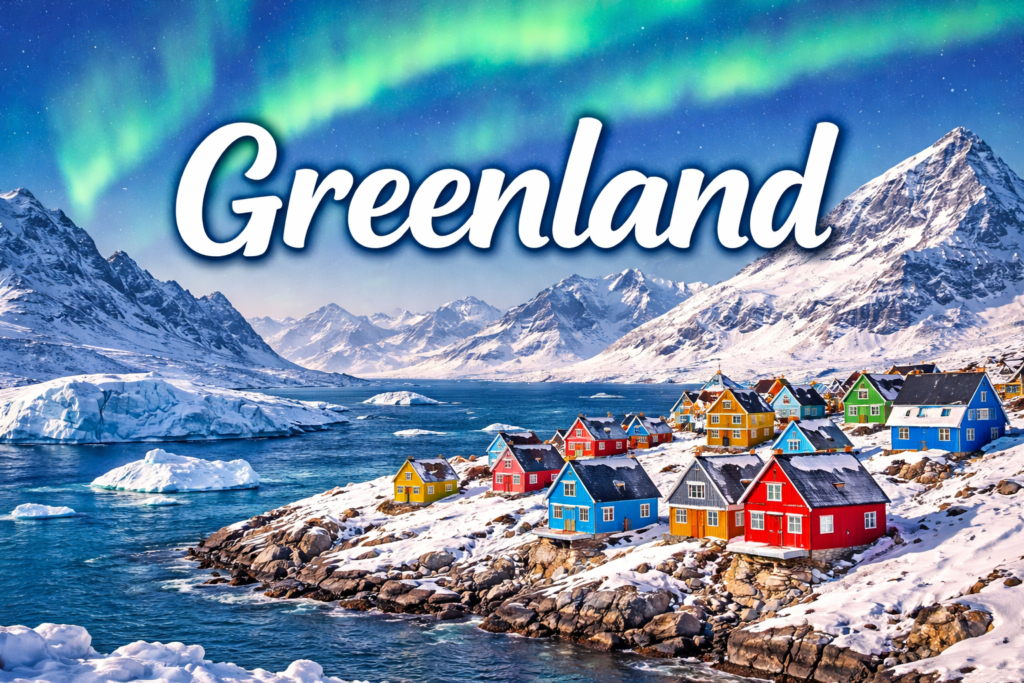

Greenland is the world’s largest island and one of the most unique places on Earth. Known for its ice-covered land, strong indigenous culture, and Arctic lifestyle, Greenland has a rich history that stretches back thousands of years. This article explains the history of Greenland, the people of Greenland, and the culture of Greenland in a simple and easy-to-understand way.
Where Is Greenland Located?
Greenland is located between the Arctic Ocean and the North Atlantic Ocean. It lies close to Canada but is politically linked to Denmark. Even though it is called “Greenland,” nearly 80 percent of the island is covered with ice.
Only the coastal areas are habitable, where most people live. Because of its location, Greenland experiences extreme weather, long winters, and very short or very long days depending on the season.
History of Greenland
Early Human Settlements in Greenland
The history of Greenland begins with the Inuit ancestors who migrated from North America thousands of years ago. These early settlers learned how to survive in one of the harshest climates in the world.
They depended on hunting seals, whales, and reindeer for food, clothing, and tools. Homes were built using stone, snow, and animal bones. Their deep understanding of nature helped them survive without modern technology.
Viking Arrival in Greenland
Around the 10th century, Vikings from Iceland reached Greenland. Erik the Red is the most well-known Viking associated with Greenland. He named the land “Greenland” to attract settlers.
The Vikings lived mainly in southern Greenland, where the climate was slightly warmer. They practiced farming and animal husbandry. Over time, colder weather, lack of resources, and isolation caused the Viking settlements to disappear.
Danish Rule and Political Development
In the 18th century, Greenland came under Danish control. Denmark introduced Christianity, education, and trade systems. Greenland remained a colony for many years.
In 1979, Greenland received home rule, and in 2009, it gained expanded self-rule. Today, Greenland manages most of its internal affairs, while Denmark handles defense and foreign policy.
People of Greenland
Inuit Population of Greenland
The majority of the people of Greenland are Inuit. They have lived in Arctic regions for generations and are known for their resilience and strong connection with nature.
Along with Inuit communities, Greenland also has Danish residents and people from other countries. The total population is small, around 56,000 people.
Life in Greenland Towns and Villages
Most people live in small coastal towns and villages. Nuuk, the capital city of Greenland, is the largest and most developed city.
Community life is very important. In remote areas, people depend on each other for survival, especially during extreme winters.
Daily Life in Greenland
Food Habits in Greenland
Traditional food in Greenland includes fish, seal meat, whale meat, and reindeer. Hunting and fishing are still important, especially in smaller towns.
Imported food is available but expensive due to transportation challenges. Many families prefer traditional food as it is fresh and part of their culture.
Transportation and Living Conditions
Greenland has very few roads. Boats, snowmobiles, and small airplanes are the main modes of transport.
Despite the harsh climate, Greenland has good education and healthcare facilities, especially in urban areas.
Culture of Greenland
Traditional Greenlandic Culture
The culture of Greenland is deeply influenced by Inuit traditions. Art plays an important role in daily life. People create carvings from stone and bone, often inspired by animals and Arctic life.
Traditional clothing made from animal skin is still worn during festivals and special events.
Music, Dance, and Storytelling
Music and drum dancing are important cultural expressions. Storytelling has been passed down through generations and is used to teach values, history, and survival skills.
Nature and animals hold a special place in Greenlandic culture and beliefs.
Language and Traditions of Greenland
The main language spoken in Greenland is Greenlandic (Kalaallisut). Danish is also widely used, especially in government and education.
Festivals often celebrate seasonal changes, hunting success, and community unity. Elders are respected for their knowledge and experience.
Modern Greenland and Climate Change
Impact of Climate Change on Greenland
Greenland is at the center of global discussions on climate change. Melting ice is affecting wildlife, sea levels, and traditional ways of life.
While climate change creates challenges, it has also increased global interest in Greenland.
Tourism and Modern Lifestyle
Tourism in Greenland is growing, with visitors coming to see glaciers, northern lights, and Arctic landscapes. Young people are embracing technology and education while staying connected to their roots.
Greenland is working to balance modernization with cultural preservation.
FAQs About Greenland
1. Is Greenland a country or part of Denmark?
Greenland is an autonomous territory within the Kingdom of Denmark. It has its own government and manages most internal matters, but Denmark handles defense and foreign affairs.
2. Why is Greenland called Greenland when it is mostly ice?
The name “Greenland” was given by Viking leader Erik the Red. He likely used the name to attract settlers, even though most of the land is covered with ice.
3. Who were the first people to live in Greenland?
The first people to live in Greenland were the ancestors of today’s Inuit population. They migrated from North America thousands of years ago and adapted to the harsh Arctic climate.
4. What language is spoken in Greenland?
The main language spoken in Greenland is Greenlandic, also known as Kalaallisut. Danish is also widely used, especially in education and government offices.
5. How many people live in Greenland?
Greenland has a very small population, with around 56,000 people. Most of them live along the coastal areas in towns and villages.
6. What do people eat in Greenland?
Traditional food in Greenland includes fish, seal meat, whale meat, and reindeer. Hunting and fishing are still important parts of daily life, especially in remote areas.
7. Is Greenland completely covered with ice?
No, Greenland is not completely covered with ice. About 80 percent of the land is covered by an ice sheet, but coastal areas remain ice-free and suitable for living.
8. What is the capital of Greenland?
The capital city of Greenland is Nuuk. It is the largest city in Greenland and the main center for politics, education, and culture.
9. What is Greenland famous for?
Greenland is famous for its glaciers, Arctic landscapes, northern lights, Inuit culture, and role in global climate change studies.
10. How does climate change affect Greenland?
Climate change is causing Greenland’s ice to melt faster. This affects wildlife, sea levels, and traditional hunting practices, making it a major global concern.
11. Can tourists visit Greenland?
Yes, tourists can visit Greenland. Tourism is growing, especially for adventure travel, glacier tours, and northern lights viewing.
12. What makes Greenland’s culture unique?
Greenland’s culture is unique because of its strong Inuit roots, deep respect for nature, traditional art, storytelling, and close-knit community life.

